
Oak Furniture: What to Look for When Buying Solid Wood Pieces
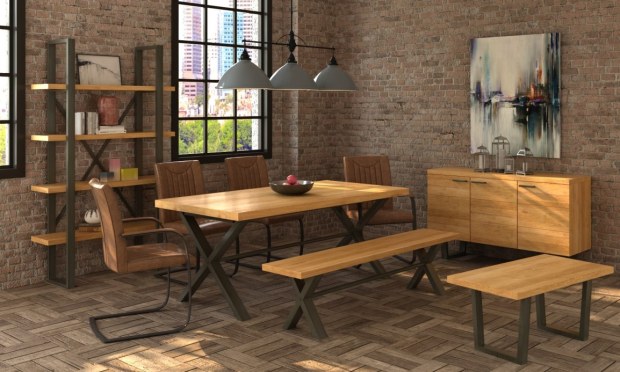
Solid oak furniture is one of those purchases that most people make once and keep for decades. That is part of the appeal. But it also means the decision deserves more thought than a quick browse online. Not all oak furniture is made the same way, and understanding what separates a genuinely good piece from a mediocre one will save you money and frustration in the long run.
This guide covers the key things to look for when buying solid oak, what questions to ask, and how to tell whether a piece is worth the investment.
Solid oak versus oak veneer: why it matters
The first thing to understand is that "oak furniture" covers a wide range of products. Some pieces are made from solid oak throughout. Others use an engineered wood core, typically MDF or particle board, with a thin layer of oak veneer applied to the surface. Others still use a combination, with solid oak for structural parts like legs and frames, and veneered panels for doors, drawer fronts, or tabletops.
None of these approaches is necessarily dishonest, but they are not the same thing, and the price should reflect the difference. A fully solid oak dining table is considerably more expensive than a veneered one, but it will also last longer, can be sanded back and refinished if it gets damaged, and tends to feel more substantial underfoot.
When buying, ask directly whether the piece is solid oak throughout or whether veneer is used anywhere. Good retailers will tell you clearly. If the description is vague, that is usually a sign the answer is not a flattering one.
What good oak construction looks like
The joints are the most reliable indicator of how a piece of furniture has been made. Traditional joinery methods, mortise and tenon joints, dovetail drawers, and properly fitted frames, are a sign that the maker understood wood movement and built accordingly. Oak expands and contracts with changes in humidity and temperature. A well-made piece accommodates that movement. A poorly made one will crack, split, or come apart at the seams within a few years.
Drawer quality is a simple test. Pull a drawer out fully and look at how the sides are joined. Dovetail joints, where the wood interlocks in a fan shape, are a sign of quality construction. Drawers that run smoothly and close without force are a good indicator that the carcass is square and the tolerances are right.
On tabletops, run your hand across the grain and check for consistent finish. Gaps, rough patches, or visible filler are signs that the piece was not finished properly. A well-made solid oak table should feel smooth and even, with the natural grain visible and consistent across the surface.

Understanding oak grades and finishes
Oak is graded by the amount of natural character in the wood. Clear or prime grade oak has minimal knots and consistent colouring. Character grade oak has more natural variation, including knots, medullary rays (the silvery figuring that catches the light), and colour differences between boards. Neither is better than the other in any objective sense. It comes down to what you prefer aesthetically and what suits the room.
Finish options for solid oak typically include lacquer, oil, and wax. A lacquered finish is more resistant to everyday marks and moisture, making it practical for dining tables and kitchen furniture. An oiled or waxed finish is easier to touch up at home if the surface gets marked, but needs more regular maintenance to stay looking its best. Both are valid choices, and which suits you depends largely on how the piece will be used and how much maintenance you are happy to do.
What Reynolds stocks and why it matters
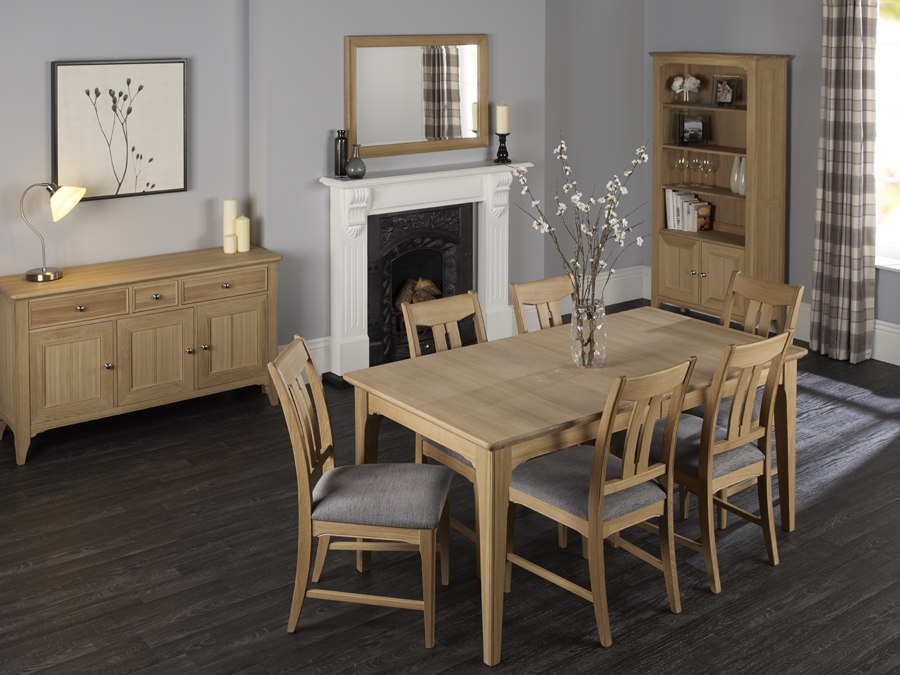
Reynolds Furniture carries solid oak dining furniture, bedroom furniture, and storage pieces from established manufacturers including Willis and Gambier, G Plan, and other quality UK and European makers. The ranges available at Reynolds include pieces made from solid oak and oak veneers, clearly described so you know exactly what you are buying.
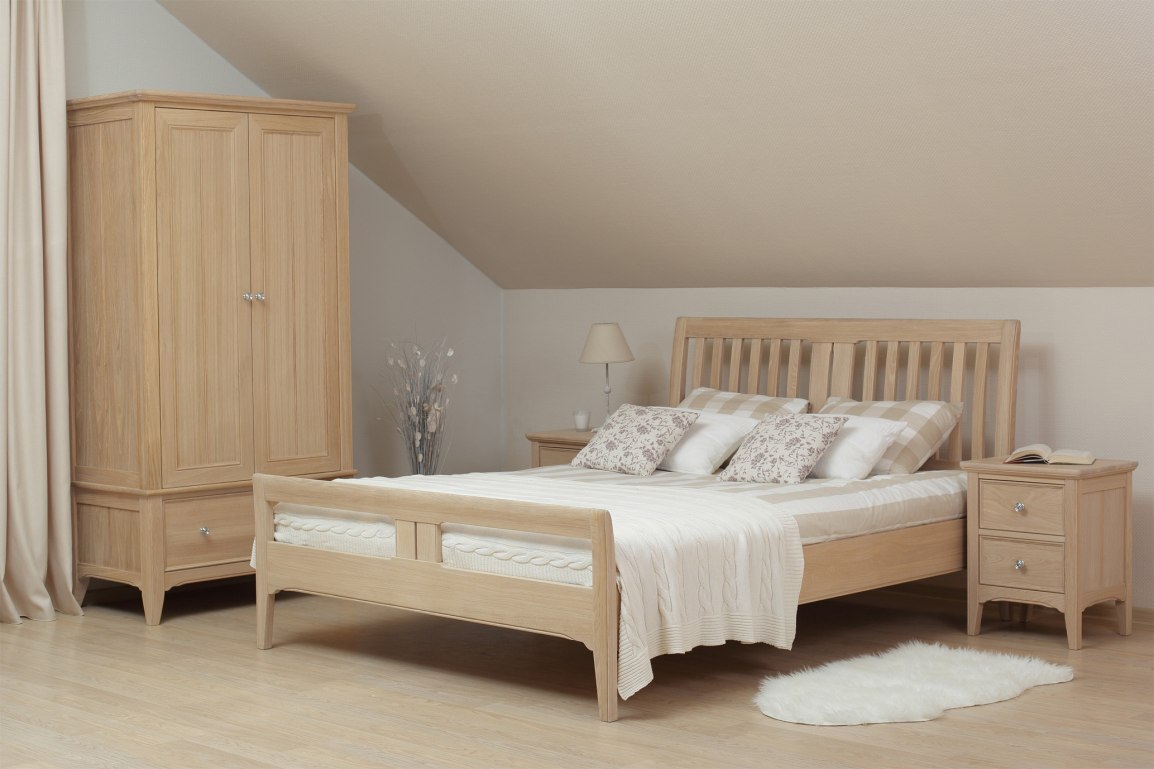
The Fontwell Oak Dining range and the Quercus collection are both examples of well-made solid oak furniture that will stand up to regular use. For bedroom storage, the oak bedroom ranges at Reynolds include wardrobes, chest of drawers, and bedside tables built to coordinate as a set or be used individually.
Longevity and what to expect over time
Solid oak darkens slightly with age and exposure to light. A piece that looks pale and fresh when new will develop a warmer, richer tone over the years. Many people consider this an advantage rather than a drawback. The grain becomes more visible, and the piece develops what furniture makers call character.
Surface scratches on an oiled or waxed piece can often be addressed at home with a light re-oiling. Deeper marks on a lacquered piece may need professional attention, but for everyday wear the lacquer provides good protection. Either way, solid oak is one of the few furniture materials that can be genuinely restored rather than simply replaced.
The most important maintenance step for any solid oak piece is keeping it away from direct heat sources and out of prolonged direct sunlight. Radiators and south-facing windows are the main risks. Both cause the wood to dry out unevenly, which can lead to splitting or warping over time.
Questions to ask before you buy
Is this piece solid oak throughout, or does it use veneer in some areas? If veneer, where?
What finish is applied, and what maintenance does it need?
Is the joinery traditional or dowel and glue construction?
What is the warranty on the piece, and what does it cover?
Are replacement parts or touch-up products available if the piece gets damaged?
A retailer who knows their stock well should be able to answer all of these without hesitation. If the answers are vague or the sales team are not sure, that tells you something too.
Visit the Reynolds showroom
Solid oak furniture is one of those things that rewards seeing in person. The weight, the grain, the finish, the way the drawers run: none of that comes through on a screen. Reynolds Furniture on Bognor Regis High Street carries a range of oak dining furniture and oak bedroom furniture on the showroom floor. Come in, open the drawers, run your hands along the surfaces, and ask as many questions as you need. That is what the team is there for.
Browse the full range online at reynoldsfurniture.co.uk.
FAQs
How can I tell if furniture is solid oak or veneer?
Ask the retailer directly. If buying without a chance to ask, check whether the description mentions "solid oak" or "oak veneer" and look at the edges of shelves, drawer sides, and the underside of tabletops. Solid oak will show the same grain all the way through. Veneer will show a thin layer of wood over a different material at the edges.
Does solid oak furniture need oiling?
It depends on the finish. Oiled or waxed pieces benefit from a re-oil roughly once a year, or more frequently if the wood starts to look dry. Lacquered pieces do not need oiling but cannot be touched up as easily if the surface is damaged.
Will solid oak furniture darken over time?
Yes, gradually. Oak naturally darkens and warms in colour with exposure to light and air. This is considered a quality of the material, not a flaw.
Is solid oak worth the extra cost compared to veneered oak?
For pieces that will receive heavy use, such as dining tables, bedroom chests, or wardrobes, solid oak is worth the investment. It lasts longer, can be repaired more easily, and tends to age more gracefully than veneered alternatives.
What is the best way to protect a solid oak dining table?
Use placemats and coasters for everyday use, keep it away from direct heat sources, and re-oil or re-wax the surface annually if it has an oil or wax finish. Avoid leaving wet glasses or hot dishes directly on the surface for extended periods.
- 16th July 2026
Extra 10% Off Applied at Checkout