
What Is a Power Recliner and Is It Worth the Extra Cost?
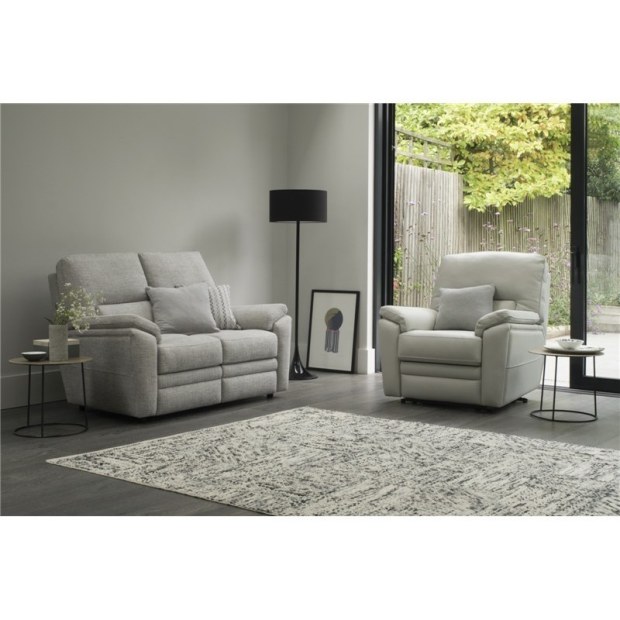
If you have been looking at recliner chairs recently, you will have noticed that many models are available in two versions: manual and power. The power version costs more, sometimes considerably more. Whether that extra cost is justified depends on how you plan to use the chair, and on a few practical factors that are worth thinking through before you commit.
This guide explains exactly what a power recliner does differently, who benefits most from one, and how to decide whether the upgrade is right for you.
What a power recliner actually does
A power recliner uses an electric motor, controlled by a button or a handset, to adjust the reclining position and raise or lower the footrest. Rather than using a lever on the side of the chair, you press a button and the chair moves to the position you want, smoothly and without any physical effort on your part.
Most power recliners also allow you to set intermediate positions, resting the chair partway between upright and fully reclined, which gives you more precise control over your seating angle than a manual recliner typically allows. Some models include additional powered adjustments for the headrest and lumbar support independently, which is useful for people with specific posture or comfort needs.
A number of power recliners, including models in the Parker Knoll range at reynoldsfurniture.co.uk/sofas/recliners/c11, also include a USB charging port built into the chair, so your devices can charge without needing to reach across to a plug socket.
Who benefits most from a power reclinerThe clearest benefit is for people who find the manual operation of a recliner difficult or uncomfortable. A manual recliner typically requires you to reach down and pull a lever, then use your body weight or a push with your feet to move the chair into the reclined position. For people with limited mobility, joint pain in the hands or arms, or reduced strength, that operation can be genuinely awkward.
A power recliner removes the physical element entirely. You press a button and the chair does the work. For older homeowners, people recovering from surgery or managing long-term conditions, or anyone who simply wants the most effortless possible seating experience, that matters.
Power recliners are also particularly useful for people who spend long periods in their chair and adjust position frequently. If you sit in your recliner for several hours at a time and regularly shift between upright, slightly reclined, and fully reclined, the convenience of a button rather than a lever becomes genuinely noticeable over weeks and months of daily use.
The case for a manual reclinerManual recliners have real advantages too, and it is worth being honest about them.
They are less expensive. The cost difference between a manual and power version of the same chair can be several hundred pounds. For many people, that saving is significant and the manual operation is not inconvenient enough to justify the upgrade.
Manual recliners also have fewer components that can develop faults over time. There is no motor, no wiring, and no handset to lose. The mechanism is simple and durable, and most quality manual recliners will operate reliably for many years without any maintenance issues.
If you adjust your recliner infrequently, or if the manual operation does not present any physical challenge, a manual recliner from a quality maker will serve you very well.
What to look for in a power reclinerMotor quality matters. A cheap motor can be slow, loud, or unreliable over time. The motors fitted to chairs from established brands like Parker Knoll are properly specified for the purpose and operate quietly and smoothly.
The handset should be intuitive and easy to use. Some power recliners come with small, fiddly controls that are harder to operate than the lever they replaced. Look for a handset with clear, well-spaced buttons.
Cable management is worth checking too. A power recliner needs to be positioned near a socket, or the cable needs to reach one. Some chairs manage this better than others in terms of how the cable is routed and whether it creates a trip hazard.
Battery backup is an option on some models, which means the chair can still be returned to the upright position if there is a power cut. This is a sensible safety feature, particularly for anyone who might have difficulty getting out of the chair without powered assistance.
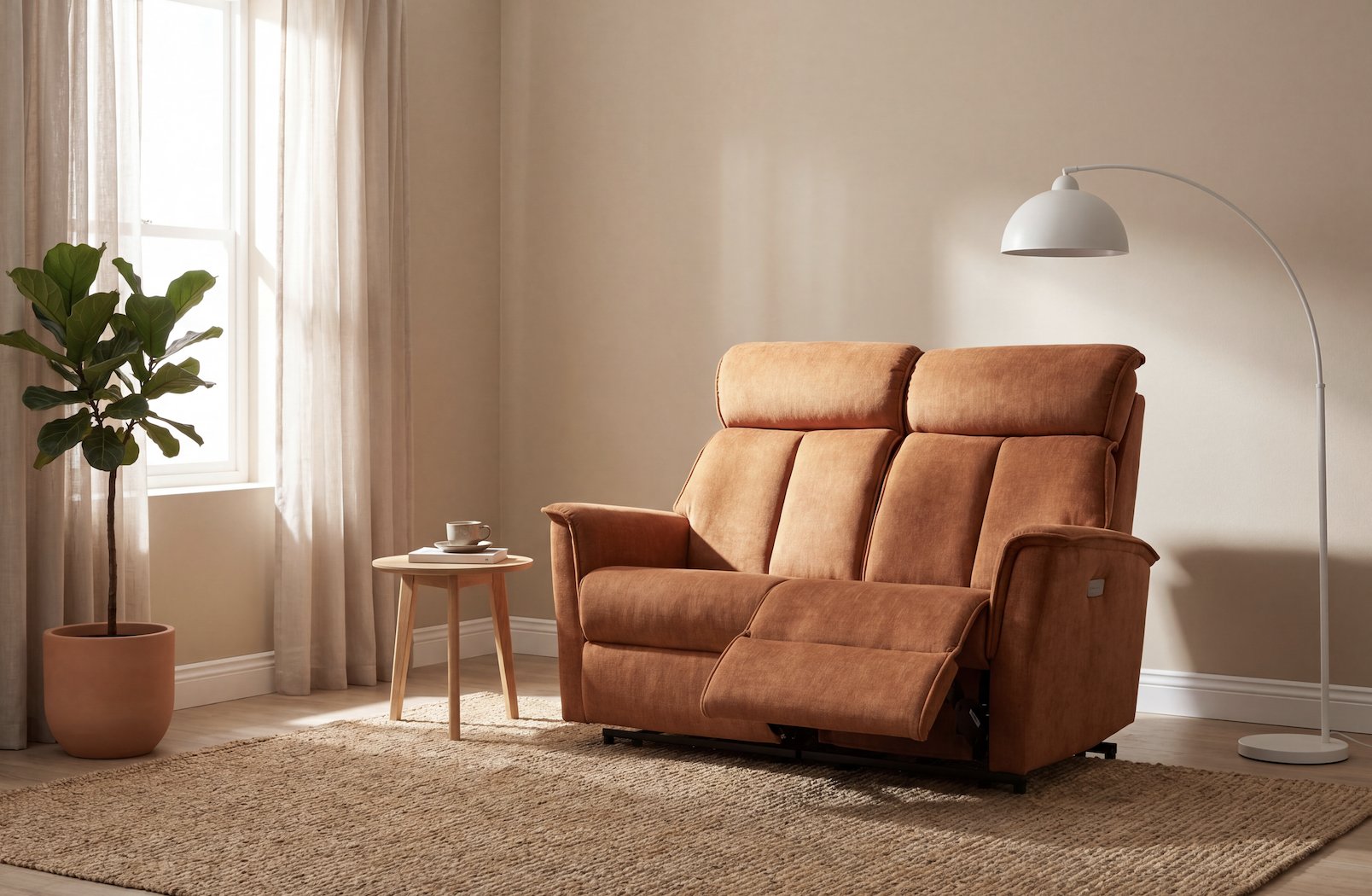
Are there riser recliner chairs to consider too?
Power recliners and riser recliners are related but different products. A power recliner controls the recline angle and footrest electrically. A riser recliner does all of that and also tilts the entire chair forward to assist the user in standing up from a seated position. This is a significant additional function for anyone who finds getting up from a low chair difficult.
Reynolds Furniture carries riser recliner chairs in the range, and the team in the Bognor Regis showroom can explain the difference between the two and help you identify which type suits your needs. If getting in and out of a chair is a consideration, a riser recliner may be the more appropriate choice.
The bottom lineA power recliner is worth the extra cost if the manual operation of a lever presents any physical difficulty, if you spend long periods in your recliner and adjust position frequently, or if you simply want the most effortless seating experience available. It is harder to justify if the chair will be used occasionally, if you are perfectly comfortable operating a manual recliner, and if the cost difference would be better spent elsewhere.
The best way to make this decision is to try both versions of the same chair in the showroom. Reynolds Furniture on Bognor Regis High Street carries recliners from Parker Knoll and other quality makers. The team can show you both manual and power options and let you operate the mechanisms yourself, which is by far the most reliable way to know which you prefer.
Browse the full recliners range at reynoldsfurniture.co.uk/sofas/recliners/c11.
FAQsWhat is the difference between a manual and a power recliner?
A manual recliner is adjusted using a lever on the side of the chair, usually combined with body weight or foot pressure. A power recliner uses an electric motor controlled by a button or handset to adjust the position without any physical effort.
Are power recliners reliable long term?
Quality power recliners from established brands are reliable. The motors fitted to chairs from makers like Parker Knoll are properly engineered for the purpose. Budget power recliners with cheaper motors are more likely to develop issues over time.
Can a power recliner be used during a power cut?
Some models include a battery backup that allows the chair to be returned to the upright position without mains power. This is a useful safety feature worth checking for, particularly for anyone who might have difficulty standing up from a fully reclined position.
How much more does a power recliner cost than a manual one?
The premium varies by brand and model, but typically ranges from around £200 to £600 more than the equivalent manual version. Chairs from premium makers are at the higher end of this range.
What is a riser recliner and is it different from a power recliner?
Yes, they are different. A riser recliner includes a mechanism that tilts the whole chair forward to assist the user in standing up. A power recliner controls the reclining angle electrically but does not tilt forward. Riser recliners are particularly suited to people who find getting up from a chair physically challenging.
- 20th October 2026
Extra 10% Off Applied at Checkout